Ingrown Toenail: Home Treatment vs Seeing a Podiatrist | East Coast Podiatry
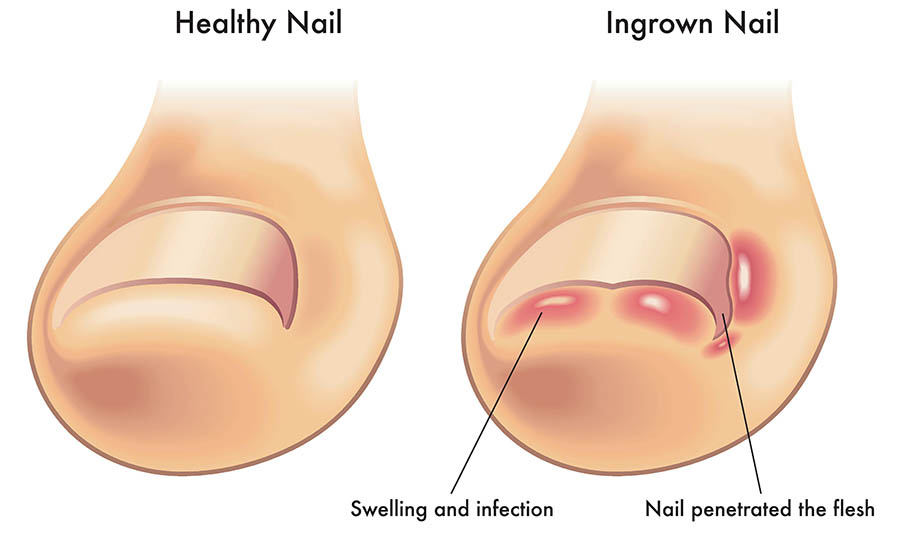
An ingrown toenail might start as a minor annoyance — a bit of tenderness when you put your shoes on — but left untreated, it can quickly escalate into a painful infection that makes walking difficult. One of the most common questions we hear at East Coast Podiatry Clinic in Newcastle is: "Can I just deal with this at home, or do I need to come in?"
The honest answer is: it depends. Some mild ingrown toenails can be managed safely at home. But there are clear signs that home treatment isn't enough — and waiting too long can make things significantly worse. Here's how to tell the difference.
Lisfranc Fractures: Why They’re Sidelining Rugby League Stars
As podiatrists, we see all sorts of foot and ankle injuries. But lately, there's been a trend in the news – Lisfranc fractures amongst Rugby League players. This serious injury can sideline even the toughest athletes for months, and it's a good reminder for everyone about the importance of foot health.
Posterior Tibial Tendon Dysfunction (PTTD)
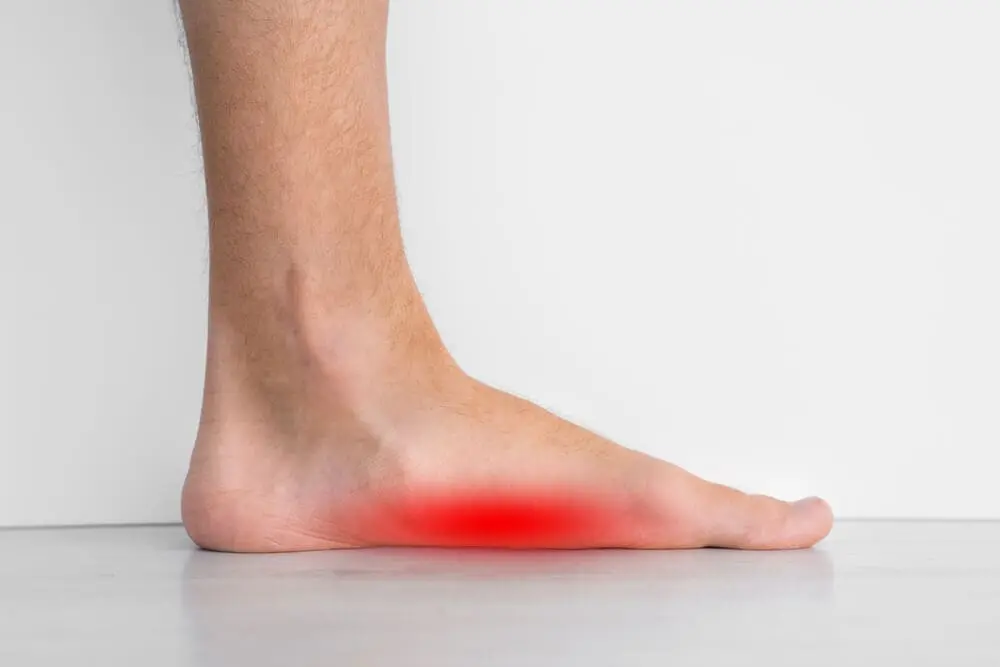
As a podiatrist, I see many patients who experience foot and ankle pain. One common condition I diagnose is posterior tibial tendon dysfunction (PTTD). PTTD affects the posterior tibial tendon, a crucial structure that supports the arch of your foot. When this tendon weakens or tears, it can lead to pain, flattening of the arch, and even deformity.
Synovitis
Second MTPJ Synovitis: Understanding the Pain in the Ball of Your Foot
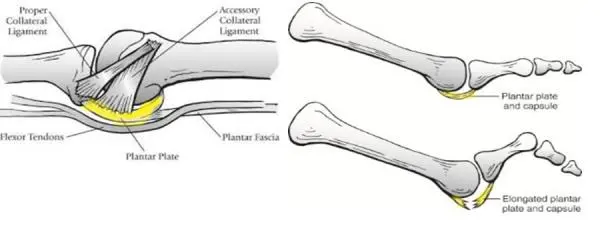
The ball of your foot is a complex and hardworking area. It absorbs shock and propels you forward with every step. Discomfort in this region can significantly impact your daily activities. One common culprit for pain in the ball of the foot is synovitis of the second metatarsophalangeal joint (MTPJ).
Morton’s Neuroma
Morton's Neuroma: Understanding the Pain and Finding Relief
As a podiatrist, I see many patients struggling with Morton's neuroma. This common condition can cause a burning, prickly sensation in the ball of your foot, often between the third and fourth toes. Let's break down what Morton's neuroma is and how we can get you back on your feet comfortably.
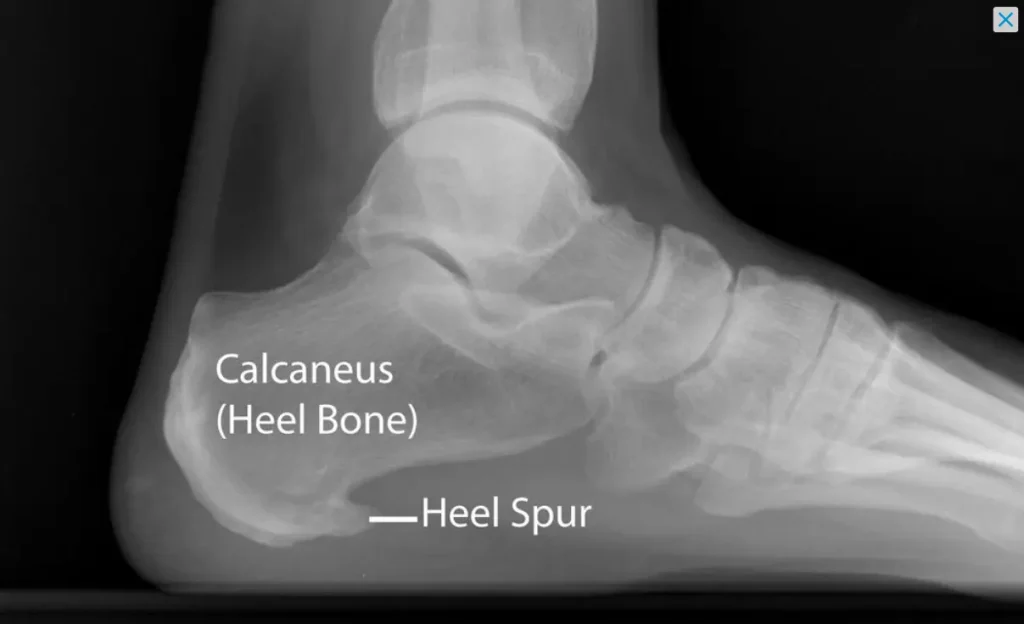
Plantar fasciitis vs Plantar fasciosis (What is the difference?)
As podiatrists, we encounter a myriad of foot ailments, each with its own set of symptoms, causes, and treatment approaches. Two conditions that often cause confusion among patients are plantar fasciitis and plantar fasciosis. While they share similarities in name and location, they are distinct conditions with different underlying causes and treatment strategies.
Let's delve into the nuances of these two conditions to better understand them:
Diabetic Foot Care: Daily Checks & Podiatrist Visits
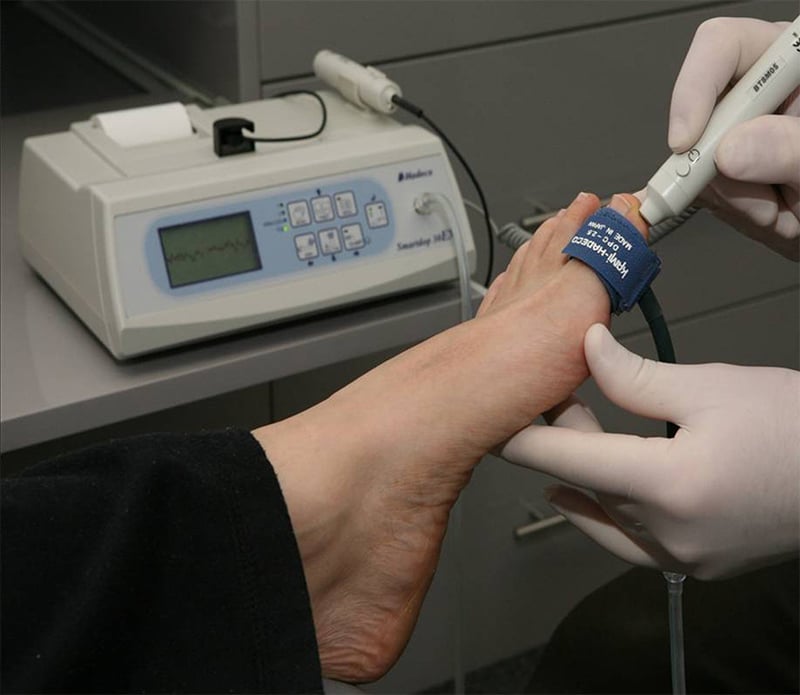
Diabetes can wreak havoc on your feet, increasing the risk of ulcers and amputations. This happens due to nerve damage, poor circulation, and increased susceptibility to infection. The good news is that proactive foot care can significantly reduce these risks.