Are Custom Orthotics Worth It? A Newcastle Podiatrist’s Honest Guide
If you’ve been dealing with foot, knee, or back pain and someone has suggested custom orthotics, you’ve probably wondered: are they actually worth the cost? It’s a fair question. With chemist insoles available for under $30 and custom orthotics costing significantly more, it’s natural to ask whether the difference justifies the investment.
As podiatrists at East Coast Podiatry Clinic in Newcastle, we get asked this question every week. So here’s our honest answer — including who genuinely benefits, what to expect from the process, how long they last, and what your health fund will cover.
What Are Custom Orthotics?
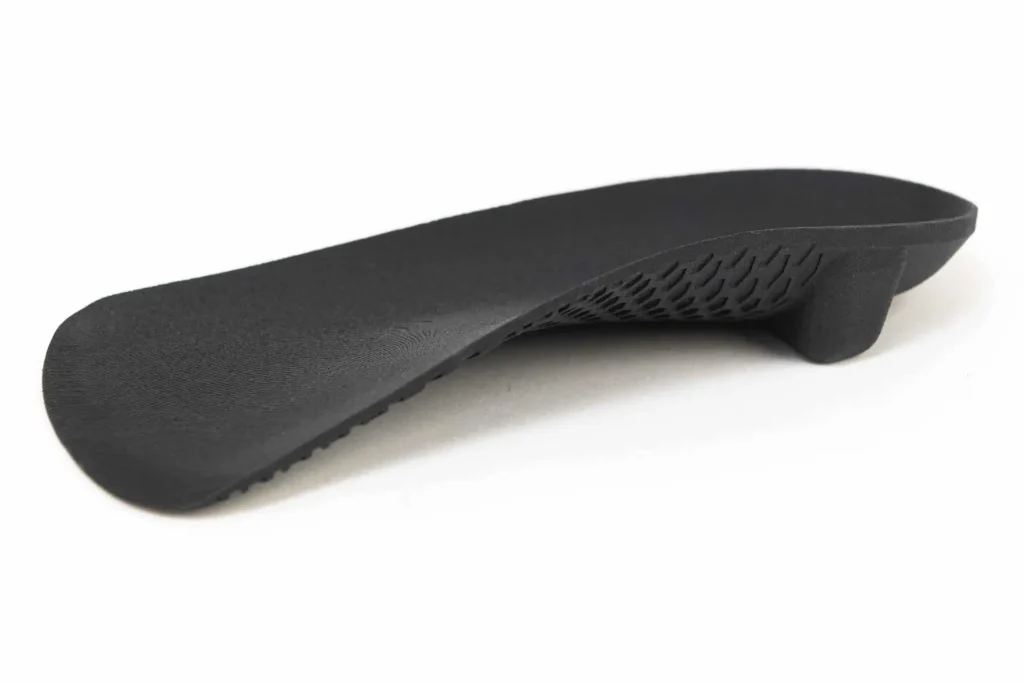
Custom orthotics (also called custom foot orthoses) are prescription medical devices made specifically for your feet. Unlike generic insoles you buy off the shelf, custom orthotics are designed based on a detailed assessment of your foot structure, walking pattern (gait), and the specific condition causing your pain.
At East Coast Podiatry Clinic, we use advanced 3D scanning technology to capture the exact shape and mechanics of your feet. Tim designs every pair from a 3D scan of your feet, and they’re 3D printed in Australia — meaning each pair is produced to precise measurements, not approximated from a mould.
Custom Orthotics vs Off-the-Shelf Insoles — What’s the Real Difference?
This is where many people get confused. Here’s a straightforward comparison:
| Off-the-Shelf Insoles | Custom 3D Printed Orthotics | |
| Cost | $20–$100 | Investment, claimable on health fund |
| Lifespan | 6–12 months | 5–10 years |
| Fit | Generic, one size | Made for your exact foot |
| Addresses biomechanics | No | Yes — targets root cause |
| Prescribed by a podiatrist | No | Yes |
| Health fund rebate | No | Yes (with extras cover) |
| Suitable for chronic pain | Rarely | Yes |
Off-the-shelf insoles can provide temporary cushioning and comfort, and for people with very mild or short-term discomfort they may be sufficient. But they are mass-produced to generic shapes and cannot address the underlying biomechanical cause of your pain. For anyone dealing with a persistent or recurring problem, generic insoles are unlikely to provide lasting relief.
Think of it this way: glasses from the chemist can help you read, but they won’t correct a prescription specific to your vision. Custom orthotics work the same way — they’re tailored to your unique biomechanics, not a generic foot shape.
Who Actually Benefits from Custom Orthotics?
Custom orthotics aren’t right for everyone — and a good podiatrist will tell you honestly if they won’t help your situation. But they are genuinely effective for a wide range of conditions, including:
Foot conditions
- Plantar fasciitis (heel pain) — one of the most common and successful uses
- Flat feet or fallen arches (overpronation)
- High arches
- Metatarsalgia (ball of foot pain)
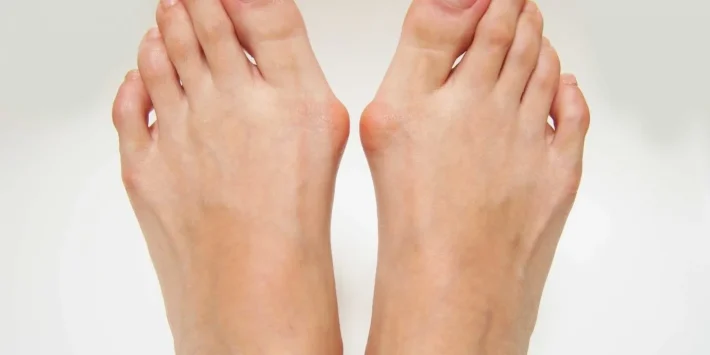
- Bunions — orthotics can slow progression and reduce pain
- Achilles tendinopathy
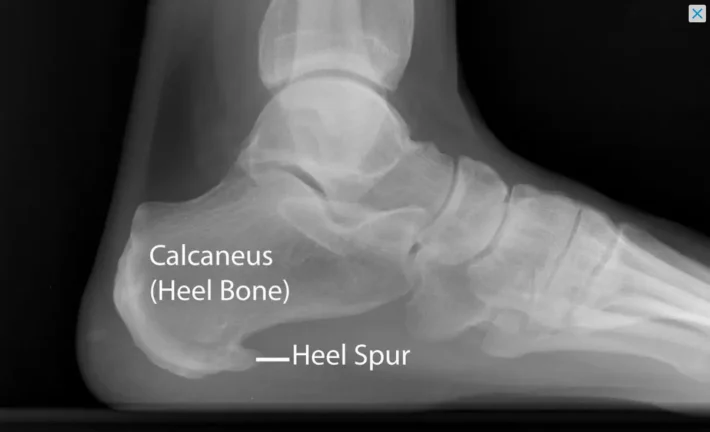
- Heel spurs
Lower limb and back conditions
- Shin splints
- Knee pain related to foot mechanics (patellofemoral syndrome)
- Hip pain caused by gait imbalance
- Lower back pain from poor foot alignment
Other situations where orthotics help
- Athletes wanting to prevent injury or improve performance
- People who stand on hard floors for long work shifts
- Children with flat feet, in-toeing, or growing pains
- Diabetic patients needing pressure redistribution to protect at-risk areas
If you have had persistent pain for more than a few weeks that hasn’t responded to stretching, rest, or generic insoles, a proper podiatry assessment is worth getting. Many patients are surprised to find that foot mechanics are contributing to pain they attributed to something else entirely.
Why 3D Printed Orthotics Are Better
Traditional custom orthotics are made using plaster casts sent to a lab — a process that can take weeks and involves some loss of precision. At East Coast Podiatry Clinic, our 3D scanning and printing process offers several advantages:
- Greater accuracy — manufactured to the exact measurements of your scan, not an approximated mould
- Faster turnaround — no waiting weeks for a lab to produce and return your orthotics
- Superior durability — 3D printed materials outperform traditional foam and plastic
- More consistent results — less variability between the scan and the finished device
- Better fit from day one — less need for adjustments
Designing from a digital scan means every pair is made to the exact shape of your feet.
What Does the Process Look Like?
Here’s what to expect when you come in for a custom orthotic assessment at East Coast Podiatry Clinic:
- Initial consultation
We’ll discuss your medical history, current pain, activity level, and footwear. This gives us the full picture before we assess your feet.
- Biomechanical assessment and gait analysis
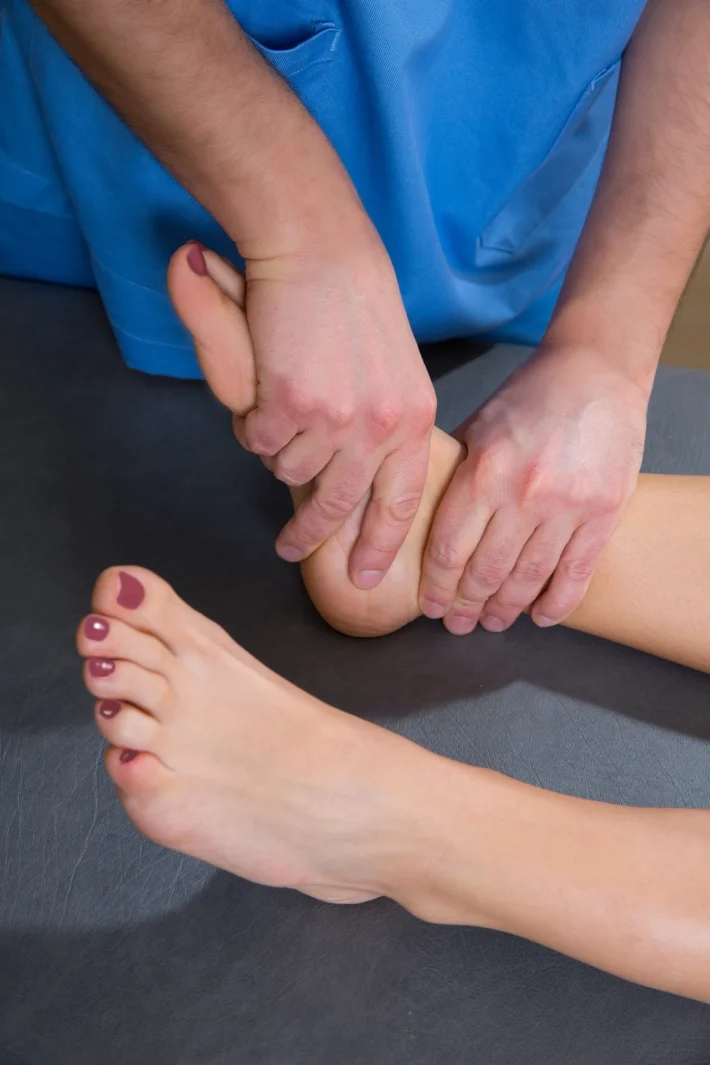
Your podiatrist will examine your foot structure, joint mobility, muscle strength, and watch how you walk. This is where we identify the biomechanical factors contributing to your pain.
- 3D foot scan
We take a precise digital scan of your feet — no messy plaster, no waiting. The scan captures the exact shape and contours of your feet.
- Orthotic prescription and manufacture
Based on your assessment, we design your orthotics to address your specific needs — whether that’s controlling overpronation, offloading a painful area, or improving overall alignment.
- Fitting and review
When your orthotics are ready, we fit them and show you how to use them. A follow-up appointment ensures everything is working correctly and allows for any fine-tuning needed.
How Long Do Custom Orthotics Last?
With normal daily use, our 3D printed custom orthotics typically last 5–10 years — significantly longer than off-the-shelf insoles which usually need replacing every 6–12 months. We recommend a review every 12 months to ensure they’re still functioning optimally, as your feet and activity levels can change over time.
Many patients find that after a period of wearing orthotics combined with stretching and strengthening exercises, their pain reduces significantly. Some are able to taper off over time; others prefer to continue wearing them for ongoing support.
Will Private Health Insurance Cover Custom Orthotics?
Custom orthotics prescribed by a registered podiatrist are claimable through most Australian private health funds under extras cover that includes podiatry. The rebate amount varies depending on your fund and level of cover.
We offer HICAPS on-site, so you can claim your rebate immediately at the time of your visit — no paperwork or waiting for reimbursement.
Tip: Before your appointment, call your health fund and ask: “Am I covered for custom foot orthotics prescribed by a podiatrist?” Quote item number 312 (biomechanical assessment) and 356 (custom functional orthotics) to get an accurate rebate figure.
Veterans Affairs (DVA) card holders may also be eligible to receive orthotics at no cost. Please contact us to discuss your eligibility.
So — Are They Worth It?
For people with persistent foot, ankle, knee, or back pain caused by biomechanical issues, custom orthotics prescribed by a podiatrist are almost always worth the investment. Here’s why:
- They address the root cause — not just the symptoms
- They last 5–10 years, making the cost per day very modest
- They’re partially or significantly covered by most health funds
- They can reduce or eliminate the need for ongoing pain management
- They often allow people to return to activities they had to give up due to pain
The honest answer to “are they worth it?” is: it depends on your condition. That’s why a proper assessment matters — we’ll tell you upfront whether orthotics are likely to help your specific situation, and we’ll only recommend them if we genuinely believe they will.
Book a Foot Assessment in Newcastle
If you’re dealing with persistent foot, heel, knee, or back pain and want to know whether custom orthotics could help, come in for an assessment at East Coast Podiatry Clinic. We serve patients across Newcastle, Lake Macquarie, Charlestown, Cardiff, Glendale, Belmont, Kotara and surrounding areas.
No referral needed. Book online or call us today on (02) 4942 2550.
East Coast Podiatry Clinic
2/1 Glebe St, Kahibah NSW 2290
Phone: (02) 4942 2550
www.myfeet.net.au
Medically reviewed by Tim Foran, Podiatrist (AHPRA registered). Last updated: May 2026.