Children’s Flat Feet — What’s Normal and When to Worry (A Newcastle Podiatrist’s Guide)
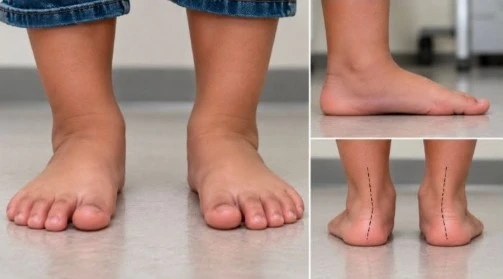
You look down at your child standing barefoot and there’s no arch to be seen — just a flat footprint on the bathroom tiles. Maybe a grandparent has mentioned it, or you had flat feet yourself and wonder if they’ve inherited them. It’s one of the most common questions parents ask us, and the reassuring news is that in most children, flat feet are a completely normal part of growing up. The key is knowing which signs mean it’s worth getting checked.
Why Most Young Children Have Flat Feet
Almost all babies and toddlers have flat-looking feet. There are a few reasons for this:
- A fat pad fills the arch in the early years, hiding the arch shape even when it’s there
- Ligaments are naturally looser in young children, so the arch lowers more under body weight
- Muscles and coordination are still developing, and the muscles that help hold the arch up strengthen with walking, running and play
The arch typically develops gradually through early childhood, with much of the change happening by around age six, and continuing to mature into the later primary school years. Many children with low arches have what’s called a flexible flat foot — the arch flattens when they stand but reappears when they rise onto their tiptoes or sit with their feet dangling. On its own, and without pain, this is usually a normal variation rather than a problem.
Signs It’s Worth Getting Checked
While most flat feet in children are nothing to worry about, it’s worth booking an assessment if you notice:
- Pain in the feet, arches, heels, ankles, shins or knees — particularly if it’s regular or limits activity
- Tiring quickly when walking, or not keeping up with friends during play or sport
- Frequent tripping or clumsiness beyond what you’d expect for their age
- Only one foot is flat, or one looks noticeably different from the other
- A stiff or rigid flat foot — the arch doesn’t reappear on tiptoes, or the foot doesn’t move freely
- Feet that roll inward markedly, with ankles that appear to collapse toward each other
- Uneven or rapid shoe wear, especially on the inner side
- Persistent toe walking or very tight calves
- Flat feet that are getting worse as they get older, rather than improving
A rigid flat foot or one-sided flat foot in particular deserves a proper look, as it can occasionally point to an underlying structural issue such as a tarsal coalition (where two foot bones are abnormally joined).
What Happens at a Children’s Foot Assessment
An assessment at East Coast Podiatry Clinic is relaxed and child-friendly, and covers:
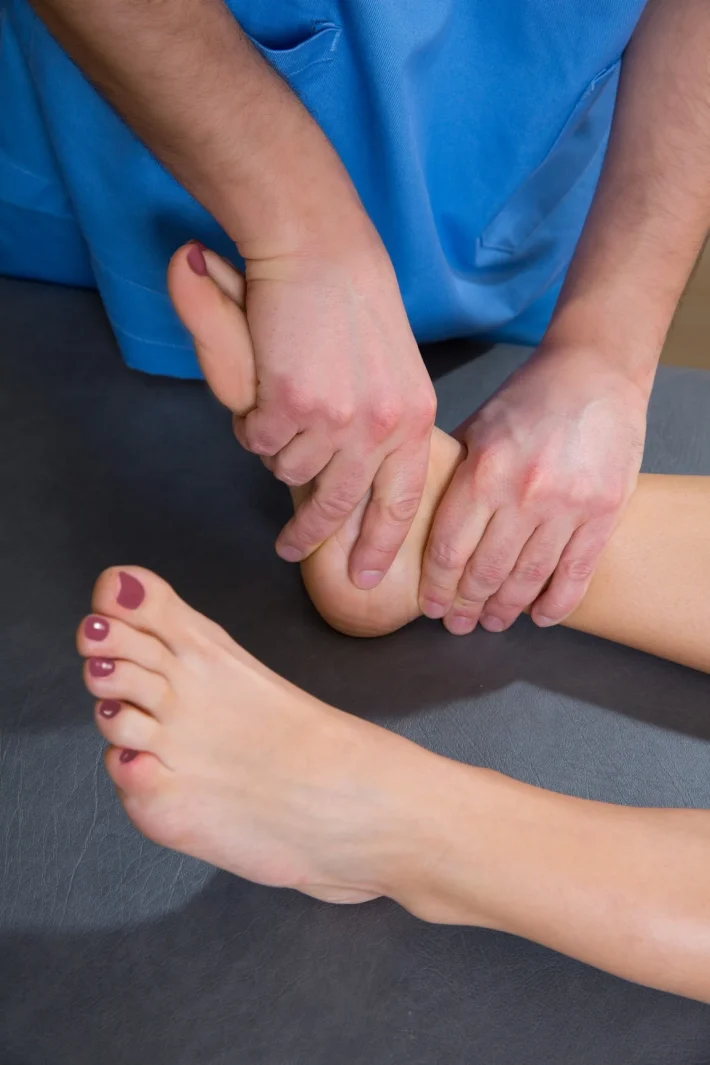
- Foot posture and flexibility — whether the flat foot is flexible or rigid, and how the arch behaves on tiptoes
- Joint range of motion — including the ankles, where tight calves are a common contributor
- Walking and running — watching how your child moves in everyday activity, not just standing still
- Strength and balance — age-appropriate checks of the muscles that support the foot
- Footwear review — bring along their school shoes and sports shoes so we can check fit and support
- Clear advice — whether any treatment is needed, or simply reassurance and a plan to monitor
How We Manage Children’s Flat Feet
If your child has no pain and their feet are flexible, treatment often isn’t needed — just reassurance, good footwear, and plenty of active play. Where symptoms are present, management may include:
- Footwear guidance — a firm heel counter, supportive midsole and secure fastening, and fitting with room to grow
- Strengthening and activity — simple, fun foot and calf exercises, balance games, and barefoot play on safe, varied surfaces like grass and sand
- Calf stretching — where tight calves are contributing to the foot rolling in
- Custom 3D orthotics — for children with pain or significant functional issues, your child’s feet are 3D scanned in clinic and their orthotics are designed in-house. Because children’s feet grow, orthotics are reviewed regularly and replaced as they’re outgrown
- Monitoring over time — periodic reviews to track how the arch and foot function develop as your child grows
Heel pain in active children aged around 8 to 14 can also be caused by Sever’s disease, an irritation of the heel’s growth plate that’s often seen alongside flat feet — read our guide to Sever’s disease here.
When Should You See a Podiatrist?
See us if your child complains of foot, leg or knee pain, tires easily or avoids activity, has a flat foot that’s stiff or one-sided, or if you’re simply unsure whether what you’re seeing is normal. An assessment either gives you peace of mind or catches something early, while it’s easiest to manage.
Book Online Today
If your child’s feet have you wondering, a quick check can give you a clear answer. Book an appointment online or call us on (02) 4942 2550.