Cuboid Syndrome — The Outer Foot Pain That’s So Often Missed (A Newcastle Podiatrist Explains)
You rolled your ankle a few weeks ago and the swelling has gone, but there’s still a sharp or aching pain along the outside of your foot. Or maybe nothing obvious happened at all — you just increased your running, spent a weekend on your feet, or started a new sport, and now the outer edge of your foot hurts every time you push off. You’ve had an X-ray and been told it’s clear. Frustrating as that is, it’s a very typical story for cuboid syndrome, one of the most commonly overlooked causes of outer foot pain.
What Is Cuboid Syndrome?
The cuboid is a small, cube-shaped bone on the outer side of your midfoot, sitting just in front of the heel bone (calcaneus) and behind the fourth and fifth toes’ metatarsals. It forms part of the foot’s outer column and acts as a pulley for the peroneus longus tendon, which wraps underneath it to help stabilise the foot as you walk and push off.
In cuboid syndrome, the joint between the cuboid and the heel bone becomes irritated and the cuboid is thought to shift very slightly out of its normal alignment. The movement involved is tiny — which is why it doesn’t show up on standard X-rays — but the joint and surrounding ligaments become inflamed and painful, and the foot often can’t push off properly.
What Causes It?
Cuboid syndrome usually develops in one of two ways:
- After an ankle sprain — a rolled ankle (inversion sprain) can force the cuboid out of position at the same time as the ankle ligaments are injured. The ankle heals, but the outer foot pain lingers
- Through repetitive overload — repeated forceful pulling of the peroneus longus tendon during running, jumping, dancing or long days on your feet can gradually irritate the joint
Some factors make it more likely: a foot that rolls inward excessively (pronation), a very rigid high-arched foot, recurrent ankle sprains, tight calves, poorly supportive footwear, or a sudden jump in training or activity.
Signs It Could Be Cuboid Syndrome
Common features include:
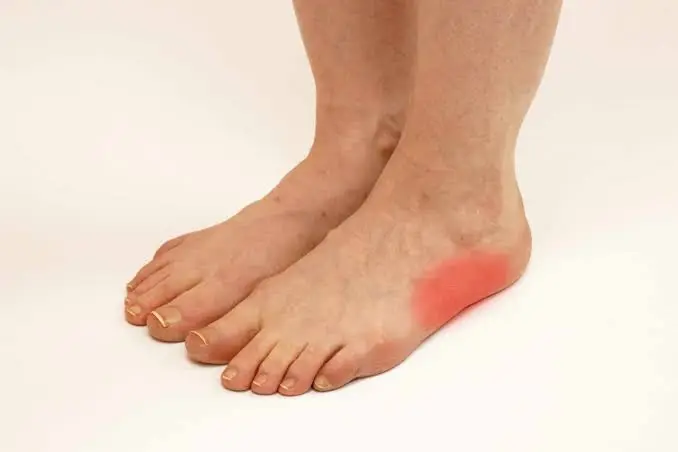
- Pain along the outer edge of the foot, roughly midway between the heel and the little toe
- Pain when pushing off, walking uphill, climbing stairs or rising onto your toes
- Tenderness when pressing on the outer midfoot, or underneath it
- A feeling of weakness or “giving way” through the outside of the foot
- Limping or walking on the inside of the foot to avoid loading the painful area
- Occasionally mild swelling or bruising over the area, particularly after a sprain
Why It’s So Often Missed
Because the cuboid’s shift is so small, X-rays are usually normal, and the symptoms overlap with several other conditions. Cuboid syndrome is commonly mistaken for peroneal tendinopathy, a lingering ankle sprain, a stress fracture, or a fracture at the base of the fifth metatarsal. Some of these do need imaging to rule out, but the diagnosis of cuboid syndrome itself is usually made clinically — through a careful history, hands-on assessment of the midfoot joints, and watching how the foot functions when walking.
How We Treat Cuboid Syndrome at East Coast Podiatry Clinic
Treatment focuses on settling the joint, restoring normal movement, and addressing the reason it happened in the first place:
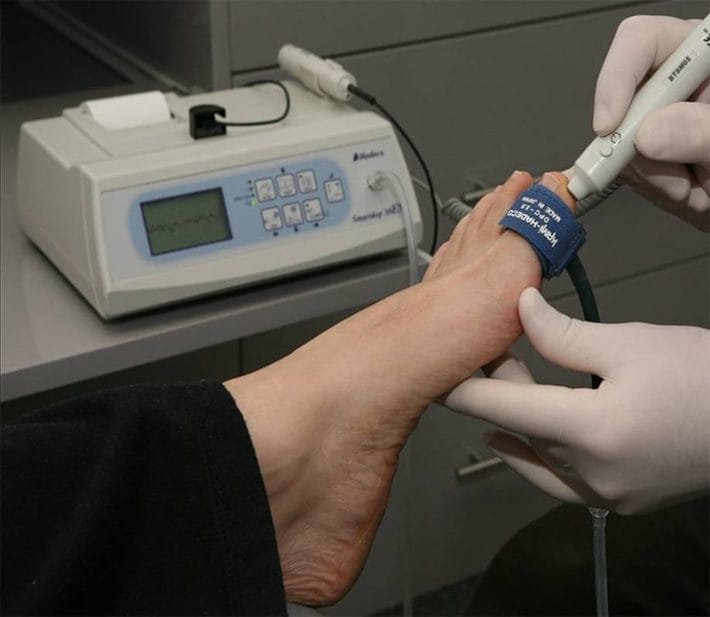
- Thorough assessment — ruling out fractures and tendon injuries, and referring for imaging where it’s genuinely needed
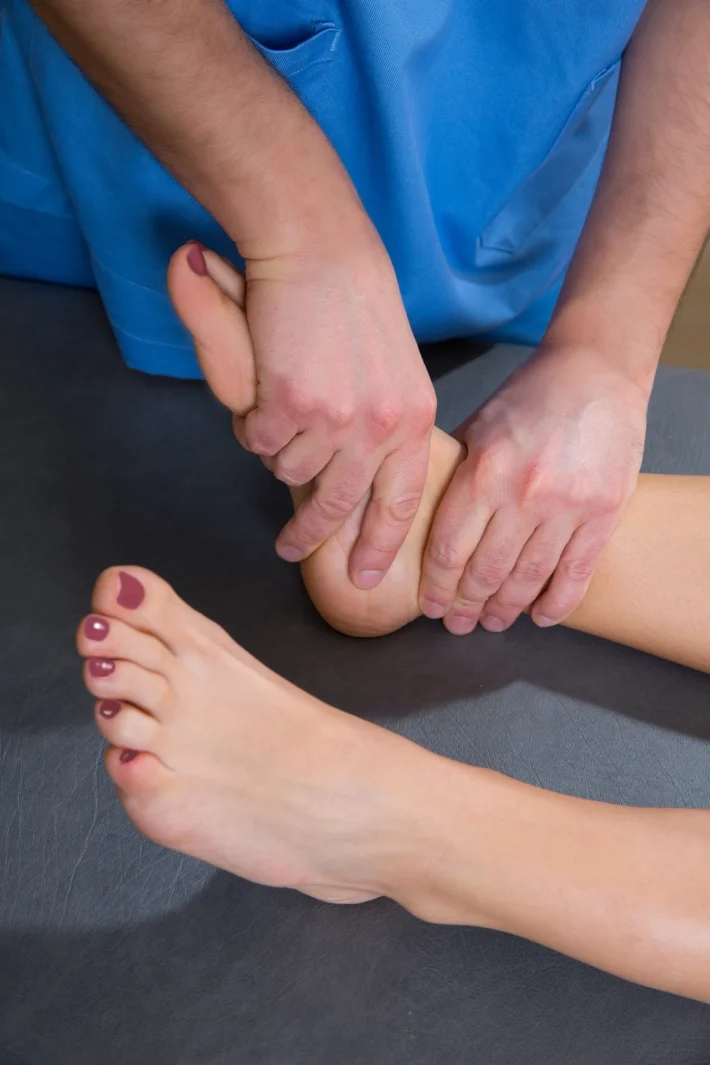
- Joint mobilisation or manipulation — gentle hands-on techniques to restore normal movement at the cuboid, which can often ease symptoms quickly when the joint is the main source of pain
- Cuboid padding and taping — to support the bone and outer column of the foot while the joint settles
- Custom 3D orthotics — your feet are 3D scanned in clinic and your orthotics are designed in-house, with support tailored to the outer column of the foot to reduce the load that led to the problem
- Footwear advice — a firm, stable shoe with good midfoot support reduces stress on the outer foot during recovery
- Strengthening and rehabilitation — peroneal, calf and foot strengthening, plus balance work after an ankle sprain, to help prevent recurrence
- Load management — guidance on gradually returning to running, sport or work
Most people with cuboid syndrome recover well with conservative treatment. Long-standing cases, or those linked to recurrent ankle sprains, may take longer and benefit most from orthotics and rehabilitation to stop the cycle repeating.
When Should You See a Podiatrist?
See us if you have pain along the outer side of your foot that hasn’t settled within a couple of weeks, particularly if it followed an ankle sprain or started after an increase in activity. Get checked sooner if you can’t comfortably put weight on the foot, there’s significant swelling or bruising, or the pain is getting worse rather than better — these can point to a fracture that needs ruling out first.
Book Online Today
Outer foot pain that’s been dismissed as “nothing” is worth a proper look. Book an appointment online or call us on (02) 4942 2550.