Sports Injuries in Newcastle — A Podiatrist’s Guide to Prevention, Treatment & Getting Back in the Game
Sports injuries account for around 1 in 5 of all injuries we see in clinic — and most of them involve the foot, ankle or lower leg. Whether you’re playing weekend touch footy at Empire Park, training for a marathon along Bar Beach, or coaching juniors through winter netball, an injury to the lower limb can sideline you for weeks if it isn’t managed well from day one.
At East Coast Podiatry Clinic in Kahibah, we treat sports injuries every day — from acute ankle rolls to the slow-burn overuse injuries that creep in mid-season. The good news is that most lower-limb sports injuries respond well to early, evidence-based treatment and don’t need surgery or long layoffs.
📞 Book a sports injury assessment: (02) 4942 2550 · Book online
Why see a podiatrist for a sports injury?
A lot of athletes — recreational and elite — push through pain or rest until it “feels okay” and then go straight back to training. Both approaches tend to backfire. The first leads to a small injury becoming a stubborn one; the second leads to re-injury within weeks.
A podiatrist adds value in three specific ways:
- Accurate diagnosis. Heel pain isn’t always plantar fasciitis. Shin pain isn’t always shin splints. Getting the right diagnosis changes the treatment.
- Biomechanical assessment. We look at how your foot loads, how you push off, and where your gait may be contributing to the injury. This is what stops the problem coming back.
- Structured return-to-sport. Not a vague “see how it feels,” but a graded plan that brings load back up safely.
For most sports injuries, you don’t need a referral — and you don’t need to wait weeks for an appointment.
The five sports injuries we see most often
1. Plantar fasciitis
The classic first-step-out-of-bed heel pain. The plantar fascia — a thick band of tissue running along the arch — becomes irritated where it attaches to the heel bone, usually from a sudden spike in training, unsupportive footwear, or biomechanics that overload the arch.
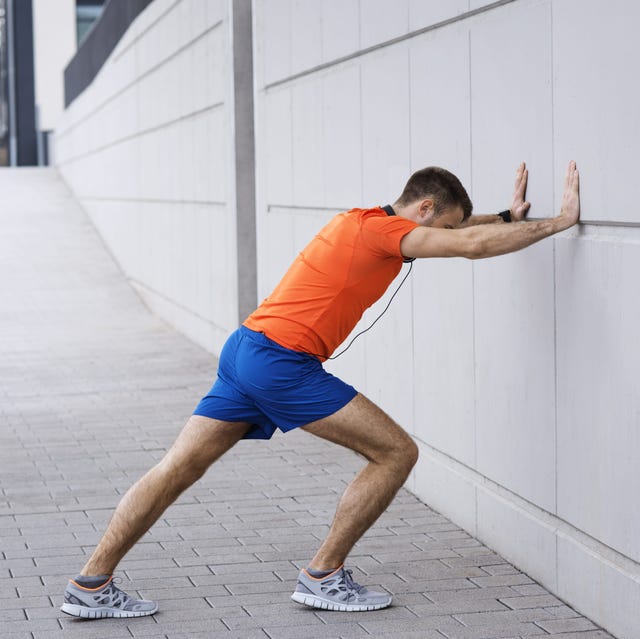
What helps: load management, calf and fascia stretching, taping in the short term, and often a pair of custom orthotics to reduce strain on the fascia while it settles. Steroid injections are a last resort, not a first-line treatment.
2. Ankle sprains
The most common acute sports injury in Australia. Up to 40% of sprains develop into chronic instability when they aren’t properly rehabbed — which is the main reason “I’ll just walk it off” causes more long-term problems than the sprain itself.
The first 72 hours are about protecting the joint and managing swelling; from day 3 onwards it’s about restoring movement, strength and balance. Balance and proprioception work is the bit most people skip — and it’s the single most important factor in preventing the next sprain.
See our full guide: Ankle Sprain Treatment in Newcastle.
3. Achilles tendinopathy
Pain and stiffness in the back of the heel, worst when you first start moving and again after exercise. Common in runners, footballers and anyone who’s ramped up hill work or speed sessions too quickly.
Despite the old “tendonitis” label, current evidence shows the Achilles isn’t really inflamed in most cases — it’s a degenerative response to overload. That changes treatment significantly. Heavy slow loading exercises (calf raises with weight, progressed over weeks) are the most evidence-based treatment we have. Rest alone tends to make it worse in the long run.
4. Shin splints (medial tibial stress syndrome)
Diffuse pain along the inside of the shin, usually during or after running. It’s a stress response in the bone and surrounding tissues — and a warning sign. Push through it and a small percentage progress to a tibial stress fracture, which means months off, not weeks.
What helps: reducing volume (not stopping completely), addressing footwear, calf strengthening, and looking at gait factors like overstriding or excessive pronation that may be loading the tibia unevenly.
5. Runner’s knee (patellofemoral pain)
Pain around or behind the kneecap, worse with stairs, hills and sitting for long periods. Although the pain is at the knee, the cause is often further up or further down — weak glutes, tight calves, or a foot type that lets the knee collapse inward when you run.
This is a good example of why “treat the knee at the knee” often fails. Addressing hip strength and foot mechanics frequently resolves it without ever touching the joint itself.
What an assessment actually involves
A sports injury appointment at our clinic includes:
- A detailed history — when it started, what aggravates it, training load, footwear, previous injuries
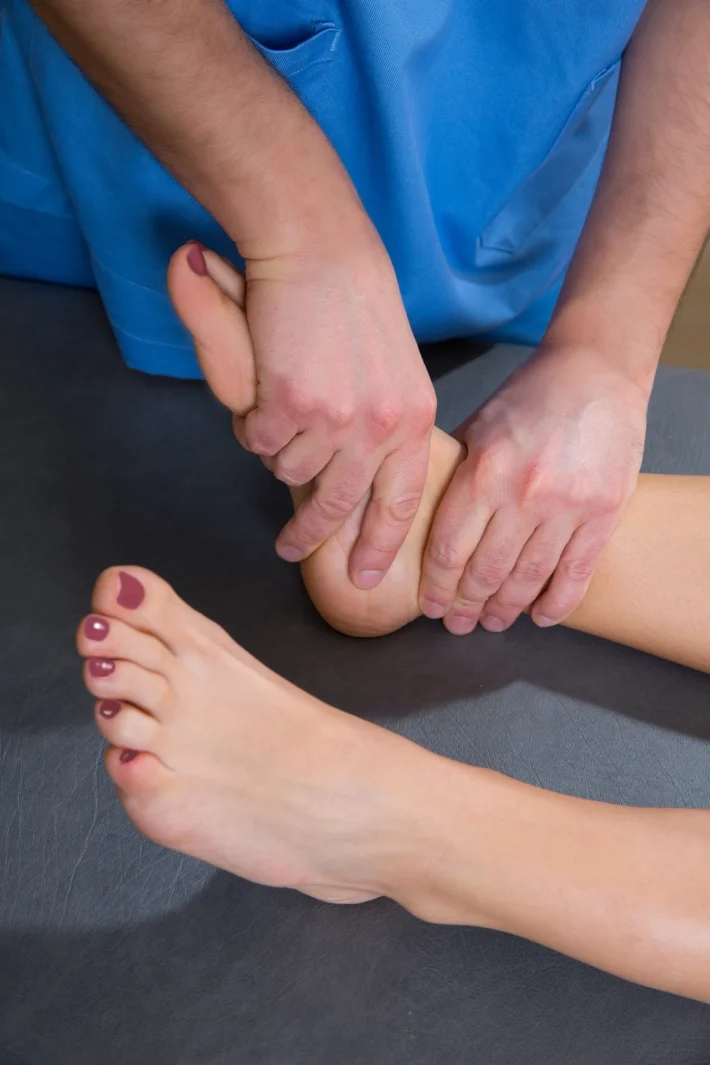
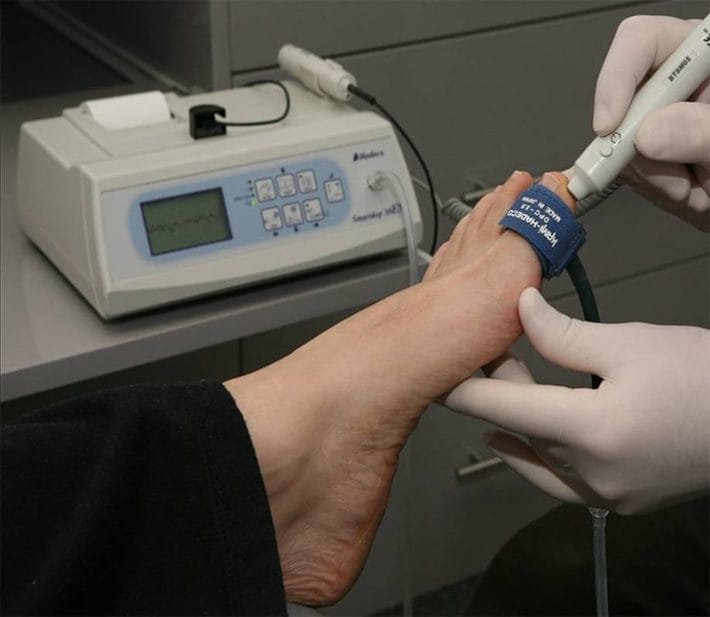
- Clinical examination — palpation, range of motion, strength testing, specific orthopaedic tests
- Gait analysis — walking and, where relevant, running
- Footwear review
- A clear diagnosis and treatment plan you walk out with
For most injuries we can start treatment in the first appointment — taping, loading exercises, footwear recommendations, and a follow-up plan. If imaging is needed (X-ray, ultrasound, MRI) we’ll organise the referral.
Why early treatment matters
The difference between an injury caught in week one and one caught in week six is significant:
- Acute injuries (sprains, strains): early protection and graded loading prevent chronic instability and weakness.
- Overuse injuries (tendinopathies, stress responses): early load management stops them progressing to something that takes months to settle.
- Biomechanical contributors: if the foot mechanics or training load that caused the injury aren’t addressed, the injury comes back — often in the same spot, sometimes on the other side.
It’s far easier to modify a training program than to rehabilitate a chronic problem.
Preventing the next one
If you’ve had a sports injury before, you’re statistically more likely to have another. The biggest risk reducers are:
- Sensible load progression — the 10% rule (don’t increase weekly training volume by more than 10%) is a rough but useful guide
- Strength work — particularly calf, glute and core
- The right footwear for your foot type and sport — running shoes aren’t all the same, and neither are feet
- Addressing biomechanical contributors with orthotics if indicated
- Warm-up that actually prepares you for the activity — dynamic, sport-specific, not just a quick stretch
Book a sports injury assessment in Newcastle
If you’re carrying an injury, recovering from one, or just want to get on top of a niggle before it becomes a season-ender — we can help.
📍 East Coast Podiatry Clinic, 2/1 Glebe St, Kahibah 📞 (02) 4942 2550 🗓️ Book online
Frequently asked questions
Do I need a referral to see a podiatrist for a sports injury? No. Podiatrists are first-contact practitioners — you can book directly. If you have private health extras, you’ll likely be able to claim a rebate.
How soon after an injury should I be seen? For acute injuries (rolled ankle, sudden onset pain), within the first week is ideal. For niggles and overuse injuries, the rule of thumb is: if it’s been bothering you for two weeks and isn’t improving, get it assessed.
Can a podiatrist treat injuries above the foot and ankle? Yes — podiatrists routinely treat knee, shin and lower leg problems, particularly where foot mechanics are a contributing factor. For hip and back issues we’ll co-manage with a physiotherapist where appropriate.
Will I need orthotics? Sometimes — not always. Orthotics are useful when there’s a clear biomechanical contributor to the injury. They’re not the answer to every sports injury, and we’ll only recommend them if they’ll genuinely help your recovery or reduce reinjury risk.
Can I keep training while I recover? Usually yes — modified, not stopped. Complete rest is rarely the best approach for sports injuries. We’ll work out what you can keep doing while the injured tissue recovers.
How long until I’m back playing? It depends on the injury: a mild ankle sprain might be 2–3 weeks; Achilles tendinopathy or shin splints often 6–12 weeks. We’ll give you a realistic timeline at your first appointment, not a guess.
Medically reviewed by Tim Foran, Podiatrist (AHPRA registered). Last updated: May 2026.
Tags: sports injury, sports injury Newcastle, sports podiatry, plantar fasciitis, ankle sprain, Achilles tendinopathy, shin splints, runner’s knee, Newcastle podiatrist, foot injury, custom orthotics, east coast podiatry clinic